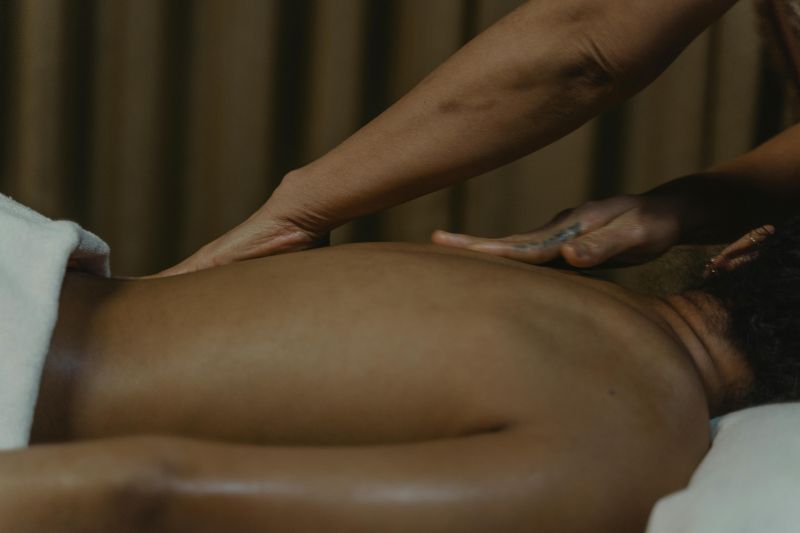
Basic Strokes
At the heart of massage are a small number of fundamental techniques, often called basic strokes. These movements form the foundation of most massage styles and can be combined in different ways to create a smooth, effective treatment.
As a beginner, learning these core techniques will give you the skills to deliver a complete and satisfying massage, even with a simple routine.
Effleurage (Gliding)
Effleurage consists of long, smooth, gliding strokes performed with the palms, fingers, or forearms. It is usually the first technique used in a massage and helps to spread oil, warm up the muscles, and create a sense of connection.
How it’s performed:
- Use gentle to moderate pressure
- Move in long, flowing strokes along the body
- Maintain continuous contact with the skin
- Typically work toward the heart (especially on limbs)
Purpose:
- Promotes relaxation
- Improves circulation
- Prepares the muscles for deeper work
Effleurage sets the tone for the entire massage and is often used throughout to maintain flow and comfort.

Petrissage (Kneading)
Petrissage involves lifting, rolling, and squeezing the muscles, similar to kneading dough. It works more deeply into the soft tissues than effleurage.
How it’s performed:
- Gently lift and compress the muscle between your hands
- Use a rhythmic, controlled motion
- Keep movements smooth and comfortable
Purpose:
- Releases muscle tension
- Improves circulation to deeper tissues
- Helps reduce tightness and stiffness
This technique is especially effective for larger muscle areas like the shoulders, back, and thighs.

Friction (Targeted Pressure)
Friction uses smaller, more focused movements to target specific areas of tension. It is often applied with the fingertips, thumbs, or knuckles.
How it’s performed:
- Apply steady pressure to a specific point or small area
- Use small circular or back-and-forth movements
- Work slowly and carefully
Purpose:
- Breaks down areas of tightness or “knots”
- Increases local circulation
- Targets problem areas more precisely
Friction should be used with care, as too much pressure can cause discomfort. Always check in and adjust as needed.

Tapotement (Light Tapping – Optional)
Tapotement involves light, rhythmic tapping or percussive movements using the edges of the hands, fingertips, or cupped palms. This technique is more stimulating than relaxing.
How it’s performed:
- Use quick, light, alternating taps
- Keep movements relaxed and springy
- Apply briefly rather than for long periods
Purpose:
- Stimulates muscles and nerves
- Can help energize the body
- Adds variety to a massage session
For a relaxation-focused massage, tapotement is optional and should be used sparingly or omitted entirely.
Bringing It All Together
These four techniques can be combined to create a balanced massage:
- Start with effleurage to warm up the body
- Use petrissage to work into the muscles
- Apply friction to specific tension areas
- Finish with effleurage to soothe and integrate
Pressure & Rhythm in Massage
Two of the most important elements in massage are pressure and rhythm. Even with simple techniques, the way you apply pressure and maintain a consistent flow can make the difference between a massage that feels awkward and one that feels deeply relaxing and professional.
Learning to control these elements will help you adapt to different people, create a more enjoyable experience, and build confidence in your touch.
How to Adjust Pressure
Pressure refers to how light or firm your touch is during a massage. There is no single “correct” level of pressure—it should always be adjusted based on the person, the area of the body, and the goal of the massage.
General guidelines:
- Start with light pressure and gradually increase
- Use gentle pressure for sensitive areas (neck, inner arms)
- Apply moderate pressure for general relaxation
- Use deeper pressure carefully on larger muscle groups (back, thighs)
How to control pressure effectively:
- Lean in using your body weight, rather than pushing with your hands
- Keep your hands relaxed, not tense
- Adjust pressure smoothly—avoid sudden changes
- Stay aware of how the muscles respond under your touch
Communication is key:
Always check in with the person receiving the massage. A simple question like “Is this pressure comfortable?” helps ensure the experience remains safe and enjoyable.
A good rule to follow: pressure should feel effective but not painful. Discomfort can cause the body to tense up, which works against the goal of massage.
Creating a Smooth Flow
Rhythm is the pace and continuity of your movements. A good rhythm creates a sense of calm and allows the person receiving the massage to fully relax.
Key elements of smooth flow:
- Maintain continuous contact with the body whenever possible
- Move at a steady, even pace
- Avoid rushing or making abrupt movements
- Transition smoothly between techniques
Think of your massage as a continuous sequence rather than a series of separate actions. Each movement should naturally lead into the next.
Tips for improving flow:
- Use effleurage (gliding strokes) to connect different techniques
- Coordinate your movements with your breathing to stay relaxed
- Keep a consistent rhythm, like a slow, steady tempo
- Stay present and focused on what you’re doing
When your rhythm is smooth and consistent, it helps the nervous system relax, making the massage feel more cohesive and calming.
Balancing Pressure and Rhythm
Pressure and rhythm work together. Even deeper techniques can feel relaxing when applied slowly and smoothly, while uneven rhythm or sudden pressure can feel uncomfortable—even if the pressure itself is light.
As you practice, aim to:
- Apply pressure gradually and release it gently
- Keep your movements flowing and connected
- Adjust both pressure and pace based on feedback and body response
Good massage is not just about technique—it’s about how you apply it. By learning to adjust your pressure and maintain a smooth, consistent rhythm, you can create a massage that feels natural, effective, and deeply relaxing.
With practice, these skills will become intuitive, allowing you to respond to each person’s needs with confidence and care.