Client Experience & Setup
Massage is not just about technique—it’s about the overall experience you create. A thoughtful approach to communication, comfort, and environment can make even a simple massage feel professional, safe, and deeply relaxing.
This final lesson brings together the human side of massage, along with practical setup tips and guidance for continuing your practice.
Communication & Comfort
Clear, respectful communication helps build trust and ensures the person receiving the massage feels at ease.
Before the session:
- Ask if there are any areas of tension or discomfort
- Check for any injuries or conditions to be aware of
- Explain briefly what you will be doing
During the session:
- Keep communication simple and minimal, allowing relaxation
- Check in occasionally without interrupting the flow
Checking pressure:
A quick question like “Is this pressure okay?” or “Would you like it lighter or deeper?” helps you adjust your approach. Everyone’s preference is different, so never assume—always check.
Comfort also includes physical support:
- Ensure the body is well-positioned and supported
- Use towels or cushions if needed
- Keep the person warm and relaxed
Professional Boundaries
Even in a casual or home setting, maintaining clear boundaries is essential.
- Always respect personal space and privacy
- Only work on areas that are appropriate and agreed upon
- Use proper draping with towels where needed
- Keep your approach professional and focused
A good rule is to create an environment where the person feels safe, respected, and in control at all times.

Setting Up a Basic Session
You don’t need a professional studio to give a great massage. A simple, well-prepared space can make a big difference.
Space:
- Choose a quiet, clean, and comfortable area
- Reduce distractions (phones, noise, interruptions)
- Soft lighting can help create a relaxing atmosphere
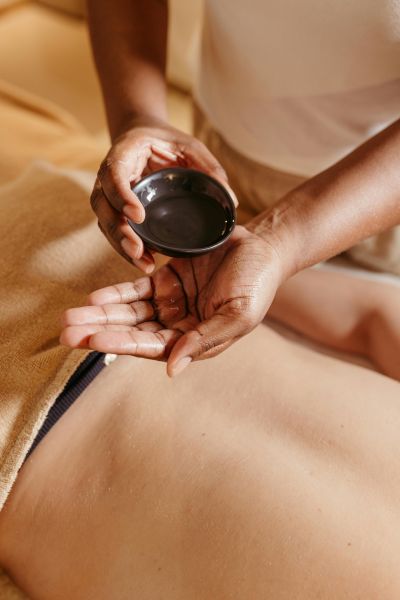
Oils:
- Use a small amount of massage oil or lotion to reduce friction
- Choose something gentle and suitable for the skin
- Warm the oil in your hands before applying
Timing:
- Plan your session (e.g., 20–30 minutes)
- Allow a few minutes at the beginning and end to settle in and finish gently
- Avoid rushing—keep a calm, steady pace
Practice Tips
Like any hands-on skill, massage improves with practice and awareness.
- Start simple and focus on the basics
- Practice on friends or family who can give feedback
- Pay attention to your body mechanics to avoid strain
- Develop a steady rhythm and flow
- Stay relaxed—your energy and presence matter
Over time, your sensitivity to touch will improve, and your movements will feel more natural and intuitive.